
Why Phantom and Solana Wallets Matter for Everyday DeFi Users

Okay, so check this out—DeFi on Solana feels different. Really different. Fast transactions, low fees, and an ecosystem that grew up around performance instead of hype. At first glance, Phantom looks sleek and simple. Wow. But underneath that clean UI there are trade-offs and habits worth learning. If you plan to move assets or use DApps in the Solana ecosystem, your choice of wallet extension matters a lot—both for convenience and safety.
Here’s the thing. Wallet extensions are the front door to your funds and identity on-chain. One misclick, or a poorly vetted site, and you can lose access. Something felt off about people treating extensions like casual browser add-ons. They’re not. They’re more like a tiny bank that runs inside your browser. So take a breath, slow down, and learn a couple practical rules before you connect anything.
Solana itself is optimized for throughput. That means wallets built for it—like Phantom—prioritize speed and UI polish to match the chain. On the other hand, wallets are also about custody model and recovery, and those are where most users trip up. For example, seed phrases are the single point of rescue. Store them well. Very very important. If you don’t, the rest of this feels moot.
How Phantom fits into your DeFi workflow
Phantom is a browser extension wallet for Solana that aims to be simple for newcomers while offering enough depth for power users. It handles token management, NFT viewing, staking, and dApp connections without making you jump through a ton of menus. Seriously? Yes. It reduces friction. But reduced friction can mean you click things fast. That matters.
If you want to try Phantom or install it as an extension, there are a few safe steps to follow. First, always install from an official source. A handy resource to begin with is https://sites.google.com/cryptowalletextensionus.com/phantomwalletdownloadextension/ which lists extension basics. Second, check the extension permissions before enabling it. And third, never paste your seed phrase into a website. Ever. (Oh, and by the way… backup that phrase offline.)
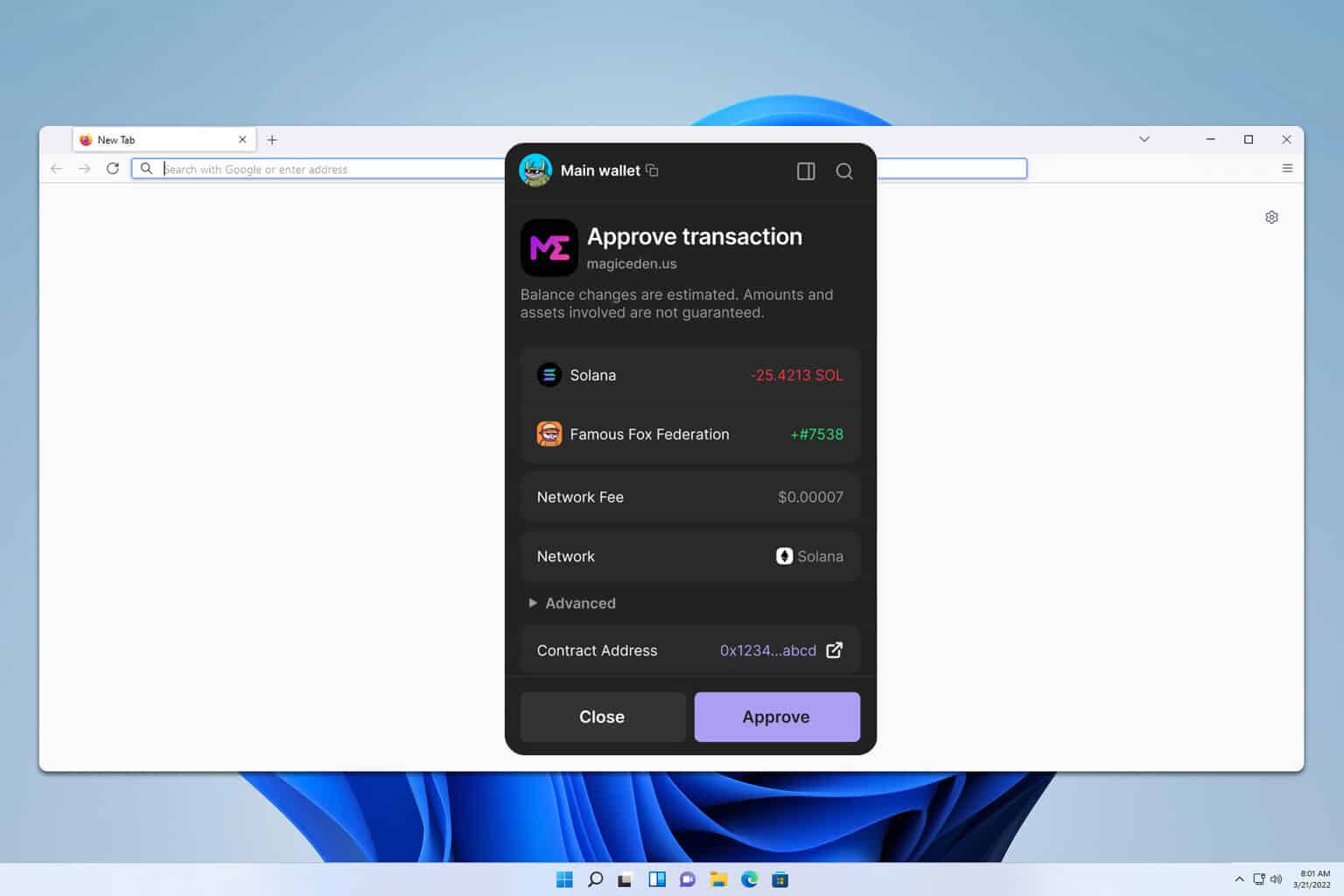
On a purely UX level, Phantom does a lot right. The transaction confirmations are clear. Token approval flows are visible. The NFT gallery is helpful for collectors. But user experience shouldn’t replace due diligence. My instinct says people often skip wallet education because crypto interfaces are intimidating—so designers try to hide complexity. That helps adoption, though it can hide somethin’ important: risk.
When you connect Phantom to DeFi apps, the wallet will request permission to interact. Read what it requests. On one hand, you need to allow signing for trades or contract interactions. On the other hand, you must be careful about unlimited approvals that let contracts move funds without further consent. Actually, wait—let me rephrase that: treat approvals like permissions on your phone. Grant only what’s necessary, and revoke unused allowances regularly.
Security basics you should follow:
- Use a strong, unique password for the extension lock, and enable hardware wallet support if you’re handling significant funds.
- Never store your seed phrase in cloud notes or a screenshot. Physical paper or an encrypted hardware vault is better.
- Verify URLs and avoid clicking on suspicious links pushed via social media or DMs.
- When testing new dApps, start with tiny amounts. If somethin’ strange happens, you’ll lose tiny amounts only.
Now, a bit about networks and tokens. Solana’s mainnet is where most economic activity happens. Devnet and testnet are for experimenting. Phantom lets you switch networks. Use testnet for development, and use mainnet for real funds. Also: token airdrops and free mint offers can be tempting. I’ll be honest—these offers sometimes mask phishing attempts. If a site asks you to sign anything that doesn’t clearly match the expected action, pause. Deep breath. Re-check.
Wallet backups and recovery deserve a closer look. Phantom gives a 12-word seed phrase at setup. That phrase controls your keys. Write it down, split it between secure locations if you prefer, and consider a hardware wallet for long-term holdings. If you ever need to migrate, the seed phrase can restore accounts elsewhere, but that also means a stolen phrase equals stolen funds. Simple but scary. Hmm…
Troubleshooting tips (fast wins):
- Extension not showing balances? Refresh the page, or switch network then switch back.
- Transactions stuck? Check cluster status and recent transaction history on a block explorer.
- Can’t connect to a dApp? Clear site-specific permissions in the wallet and try reconnecting.
Beyond the basics, consider the trade-offs in privacy and centralization. Browser extensions have access to page context, which makes them convenient but also increases exposure. For privacy-sensitive users, hardware wallets or mobile wallets that keep keys off the browser are alternatives to consider. On the other hand, if you value speed and convenience for frequent on-chain interactions, Phantom shines.
FAQ
Is Phantom safe for beginners?
Phantom is widely used and has a reputation for a clear UI and sensible workflows. Safety depends on the user’s habits more than the wallet alone. Follow the security basics above, avoid unknown links, and use hardware wallets for large balances.
How do I connect Phantom to a DeFi app?
Open the dApp, click Connect Wallet, and choose Phantom when prompted. The extension will request confirmation for the connection and any transaction signatures. Read each prompt—don’t rush—then approve if everything looks correct.
What if I lose my seed phrase?
If you lose it and have no other backup, there’s no way to recover the keys. That’s why backups are critical. If you suspect compromise, move funds immediately to a new wallet whose seed phrase you control and store it safely.